If you are drawn to Milton for its open views, tree-lined roads, and estate-style setting, you have probably noticed that not every neighborhood feels the same. Some communities preserve more green space, shape homes around natural features, and create a different day-to-day experience than a conventional subdivision. If you are trying to understand what that means for your lifestyle, your property rights, and your long-term value, this guide will help you see how conservation-style development works in Milton and why it matters. Let’s dive in.
What conservation-style living means in Milton
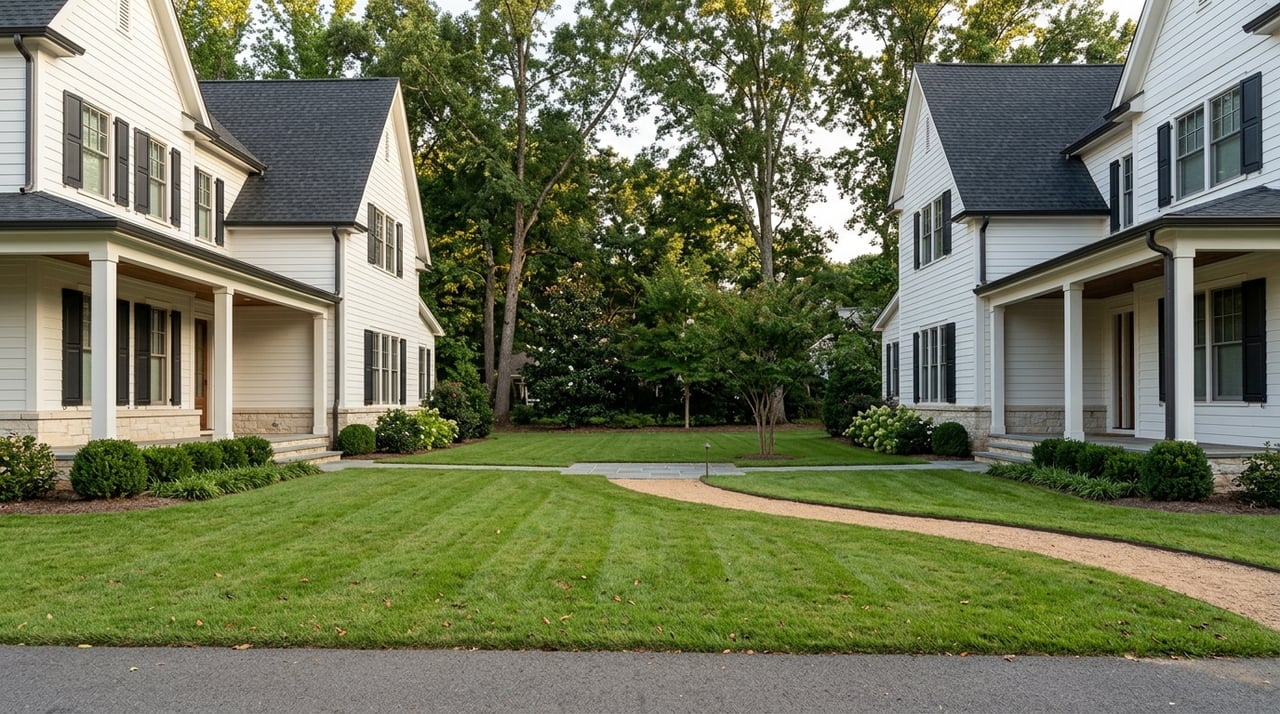
In Milton, conservation design is meant to conserve open and green space while placing buildings in a way that maximizes the conserved area. A conservation subdivision keeps the permitted residential density but rearranges where homes sit so that more land can remain open.
That matters because Milton’s approach did not come from one simple zoning label. The city has used overlapping planning tools tied to land conservation, greenspace preservation, and long-term rural character goals. So when you hear a neighborhood described as conservation-style, it usually reflects a broader planning approach rather than one single district that explains everything.
Why Milton looks different
Milton continues to treat large lots as a defining part of the city’s identity. The city describes large lots as 3 acres or more and has said it wants to give property owners reasons to keep land intact rather than divide it into smaller pieces.
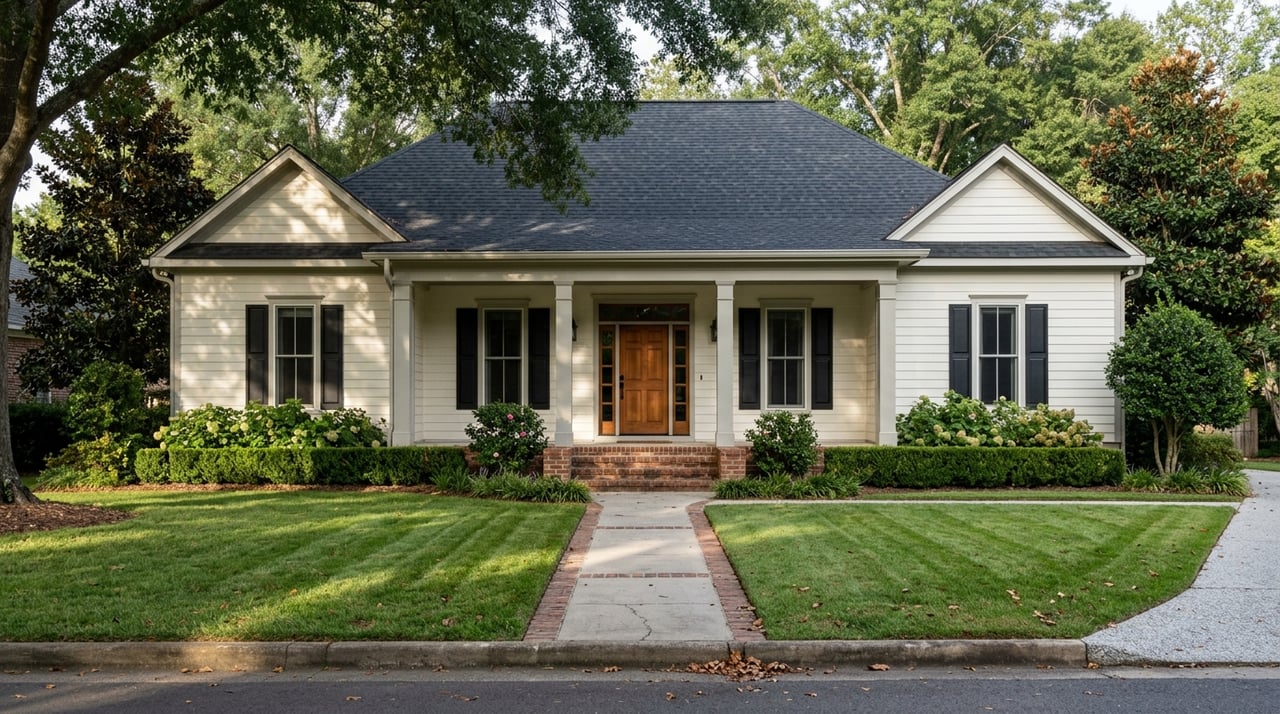
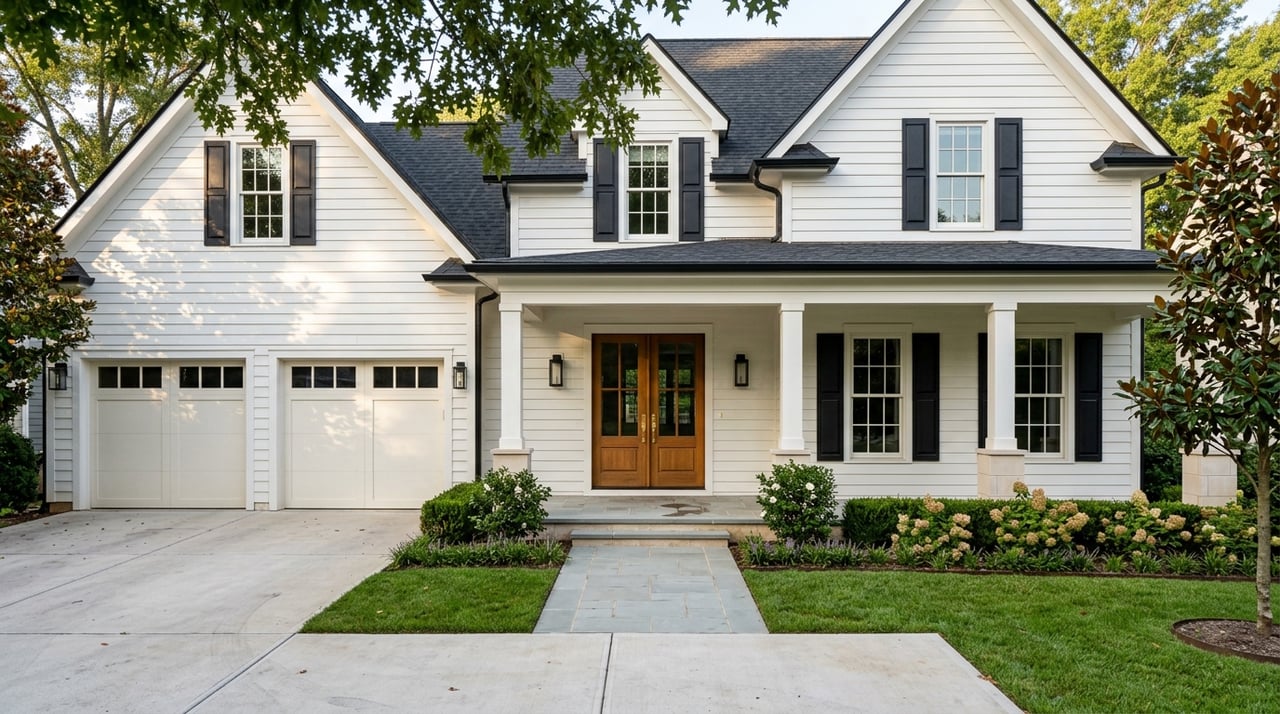
That large-lot pattern is reinforced by zoning standards in places like the R-1 single-family district, where 2-acre minimum lots are required along with generous width and setback rules. For you as a buyer, that often translates into more space between homes, longer sight lines, and a more estate-like feel than you may find in other North Fulton communities.
How conservation neighborhoods take shape
Not every conservation-style neighborhood in Milton is simply a collection of bigger lots. Some are created through planned-community tools that aim to preserve natural amenities, use land efficiently, and protect nearby properties.
Milton’s CUP district is one example. It is intended for a planned-community setting and is designed around preserving natural amenities, maintaining a stable residential environment, and requiring larger peripheral lots where needed next to larger-lot development.
The Rural Milton Overlay adds another layer in certain areas. Its purpose is to preserve rural, agrarian, and equestrian character, preserve open space, and sustain a sense of community in the built environment.
Because Milton also has limited water and sewer infrastructure and no plans for expansion noted in the city’s comprehensive plan, development often remains low-density and land-oriented. That is part of why even planned neighborhoods in Milton can still feel spacious and connected to the landscape.
What you may notice day to day
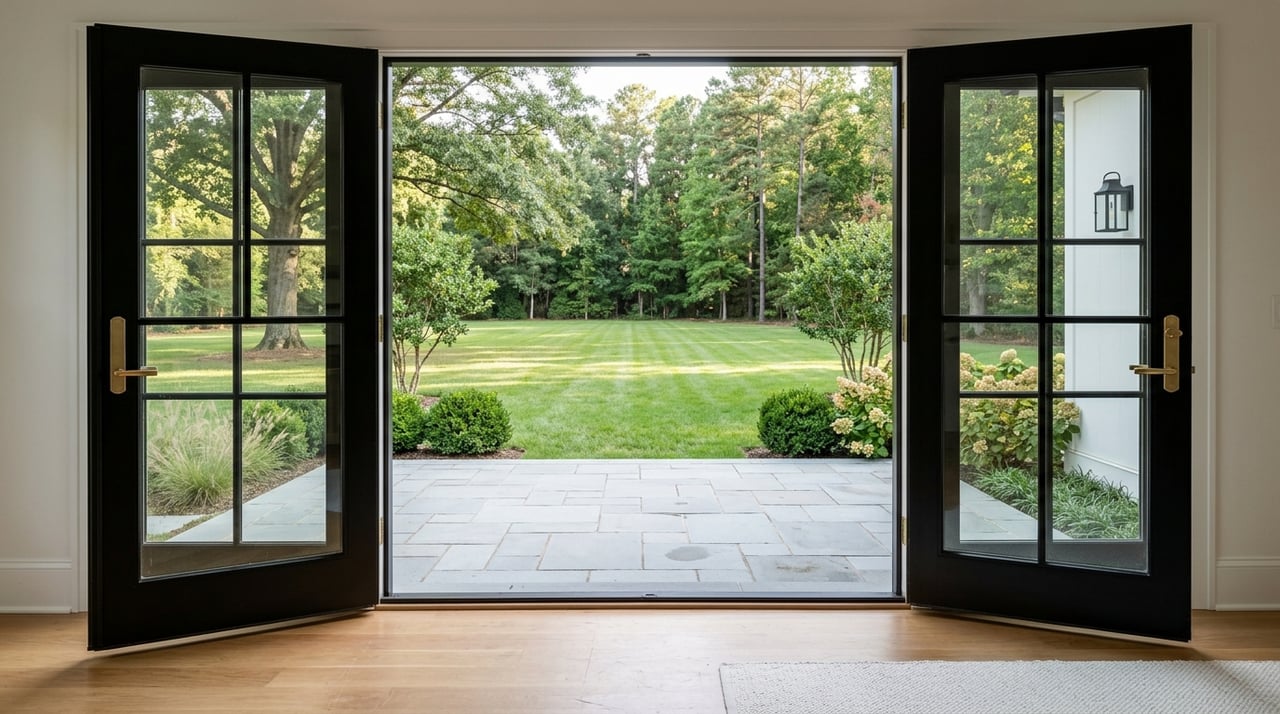
For everyday living, the biggest difference is often the feeling of openness. Conservation-style communities can preserve views, natural areas, and green space in a way that makes the neighborhood feel less uniform and more tied to Milton’s broader rural setting.
You may also notice a stronger sense of privacy. Large setbacks, open areas, and preserved land can reduce the feeling that homes are stacked closely together, even when a subdivision has been carefully planned for efficiency.
In some communities, this design can also support a more connected neighborhood feel without creating high density. Preserved open areas and natural amenities can shape where people walk, gather, and experience the neighborhood, while still keeping the overall character low-density.
Open space is not always private yard
One of the most important things to understand is that preserved land is not always yours to use however you want. In Milton, some of the most attractive green areas in a conservation-style community may be buffers, tree-save areas, stormwater parcels, or HOA common areas.
That means a property can look expansive on paper or from the street while still having limits on how certain land can be changed. If you are comparing homes, it is smart to look beyond lot size and ask how much of the land is truly usable for your own purposes.
Why HOA documents matter more here
In a conservation-style neighborhood, governing documents are often a central part of ownership. For CUP developments in Milton, agreements, covenants, declarations, and other contracts that govern use, maintenance, and protection of owner areas must be included in the official zoning file, and changes do not take effect until a copy is provided to the city.
In practical terms, that means HOA rules and recorded restrictions may carry real importance in how the community functions over time. If open space, natural features, or shared land are part of the neighborhood’s identity, those elements are usually backed by formal documents rather than informal expectations.
Shared maintenance is part of the trade-off
Conservation-style communities often depend on shared maintenance responsibilities. Milton’s code is specific about detention and retention facilities that serve more than three lots in certain subdivisions. When required, those ponds and related facilities must sit on a separate parcel where no home can be built, and that parcel must be owned and maintained by the homeowners’ association or the owners it serves.
The code also limits leftover remnant lots that do not meet minimum standards unless they are designated as common area on the final plat and maintained by an HOA or another city-approved entity. For you, that often means HOA dues and long-term maintenance obligations are not side details. They are part of how the neighborhood preserves its intended character.
The benefits buyers often value most
For many buyers, the appeal is clear. Conservation-style living in Milton can offer a balance of neighborhood structure and rural character that is hard to replicate in more conventional subdivision patterns.
Common advantages may include:
- More visible green space
- A lower-density feel
- Preserved views and natural features
- More separation between homes
- A stronger connection to Milton’s rural heritage
- Shared open areas that support walking or neighborhood gathering
For buyers seeking estate-style living or a more land-conscious community design, these features can make a meaningful difference in daily life.
The trade-offs to consider carefully
The same features that create charm can also limit flexibility. Protected land is often intended to stay protected, and Milton has used tools such as conservation easements and transfer of development rights to help keep larger parcels from being split up.
That can be a positive if you value long-term preservation. But it can also mean less freedom to reconfigure the land later, build in certain areas, or treat every green portion of the property as fully private yard space.
Before you buy, it helps to ask practical questions such as:
- What land is privately owned versus commonly owned?
- What parts of the lot are restricted or protected?
- Who maintains open space, stormwater areas, and other shared features?
- Are there recorded covenants that affect future changes?
- Is the neighborhood layout shaped by private streets or shared access?
These answers can tell you much more than lot size alone.
What sellers should understand
If you are selling in one of Milton’s conservation-style communities, the neighborhood story matters. Buyers may be attracted to preserved views, open space, and the overall setting, but they also want clarity around what is shared, what is protected, and what ownership really includes.
A thoughtful marketing approach should highlight the lifestyle benefits while also presenting the property accurately. In a market like Milton, that kind of clear positioning can help serious buyers understand the value of the home within the context of the community.
Why local guidance matters
In Milton, conservation-style living is shaped by zoning, recorded documents, and the city’s long-term preservation goals. Because these neighborhoods are not all created in the same way, the details can vary from one community to another.
That is why local context matters so much when you are buying or selling. You want to understand not only how a neighborhood looks, but also how it functions, what is protected, and what that means for everyday living over time.
If you are exploring a conservation-style neighborhood in Milton, or preparing to sell a home in one, working with a local team that understands estate lots, planned communities, and the nuances behind neighborhood design can help you move forward with confidence. To start that conversation, connect with The Chatham Co..
FAQs
What is a conservation subdivision in Milton, Georgia?
- In Milton, a conservation subdivision keeps the permitted residential density but rearranges home placement to preserve more open and green space.
How do conservation-style neighborhoods in Milton feel different from conventional subdivisions?
- They often feel more open, less uniform, and more connected to natural features because homes, lots, and preserved land are arranged to protect green space and rural character.
Do conservation-style communities in Milton usually have HOAs?
- Many do, because shared land, common areas, and some infrastructure such as stormwater facilities often need a documented system for ownership and maintenance.
Is all open space in a Milton conservation neighborhood part of my private yard?
- No. Some open areas may be buffers, tree-save areas, stormwater parcels, or HOA common areas with restrictions on use or future changes.
What should buyers ask before purchasing in a Milton conservation-style community?
- Ask what land is truly usable, what is permanently protected, who maintains shared areas, and what recorded covenants or restrictions apply to the property and neighborhood.