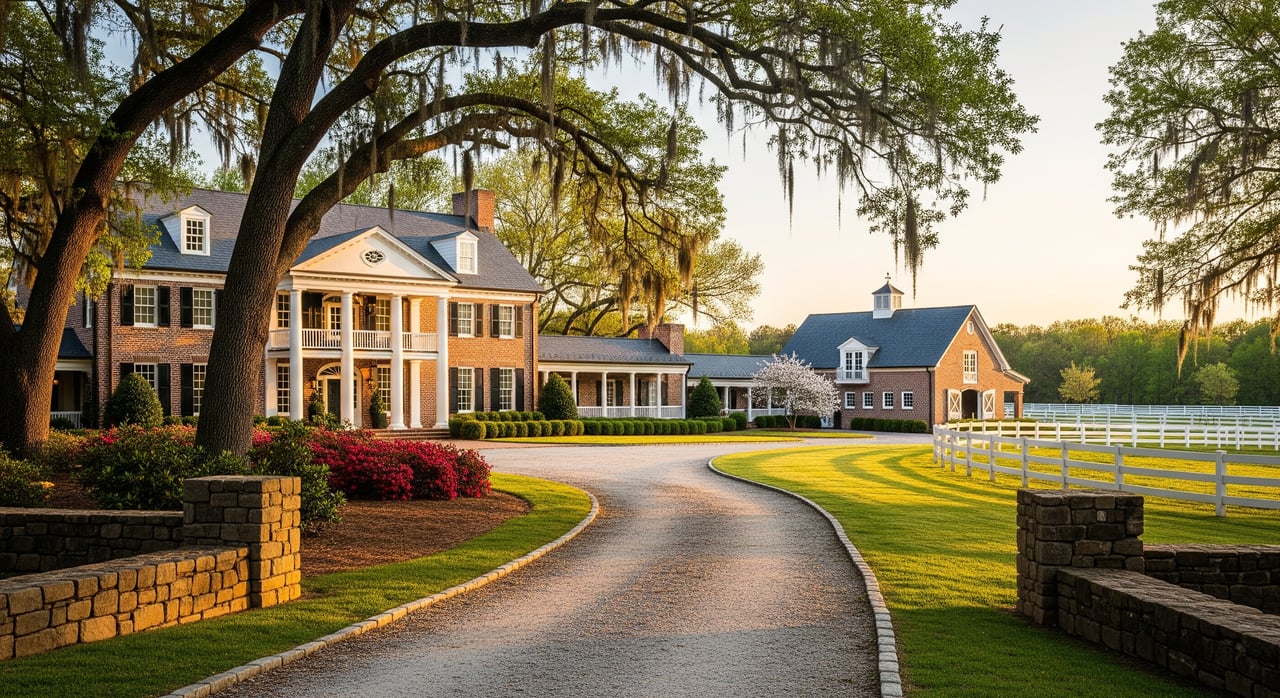
Imagine waking up to quiet pastures, tall trees, and a long private drive that keeps the world at a comfortable distance. If you are craving more space and a slower daily rhythm without giving up North Fulton conveniences, Milton’s country-estate lifestyle may be your next chapter. In this guide, you will learn what acreage living really looks like in Milton, where to find it, and how to weigh the tradeoffs around upkeep, zoning, utilities, and commute. Let’s dive in.
Why Milton fits country living
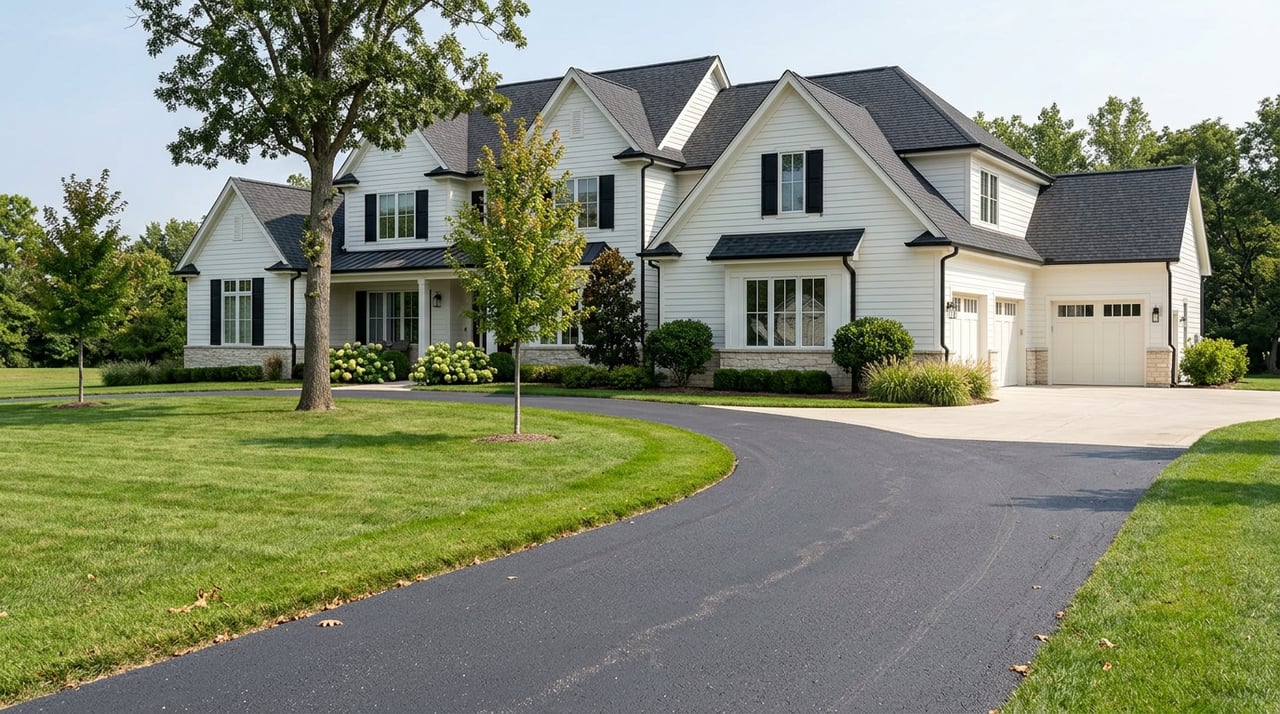
Milton sits in the northwestern corner of Fulton County and was incorporated in 2006 with a focus on preserving its rural character. Many properties are intentionally larger and estate-zoned to protect open space and equestrian uses. That is why you will see barns, fenced pastures, and long tree-lined drives alongside newer luxury homes.
Estate properties often carry a premium. You are paying for acreage, privacy, and specialized improvements like stalls, arenas, outbuildings, or ponds. Inventory for true equestrian parcels is also more limited than for standard subdivisions, so availability can be cyclical. If you want country living close to North Fulton hubs, Milton provides a rare balance.
Crabapple: village meets acreage
Crabapple’s historic village and surrounding streets offer a blend of small estates, larger wooded lots, and remodeled homes that feel rooted and timeless. Here, you can pair a quieter lot with easy access to recognizable shops, dining, and community events. You get a taste of country living with the convenience of a village center a few minutes away.
If you want a few acres for gardens, a small orchard, or a hobby setup that still feels connected, Crabapple is a natural starting point. It also serves as a social hub for nearby estate corridors, so errands and meetups are simple.
Birmingham Road: true equestrian acres
As you move toward Birmingham Road and Milton’s northwestern reaches, parcels generally open up. This is where you will find more horse-ready properties, barns with multiple stalls, fenced paddocks, and riding arenas. The vibe is purposefully rural, with wider sightlines and fewer close neighbors.
In these pockets, you trade some suburban convenience for the real benefits of land. Think longer driveways, deeper setbacks, and landscapes that were shaped for riding, training, or hobby farming. If you prioritize riding on your own property and having space for equipment, Birmingham-area estates are worth a close look.
Daily life on an estate
Acreage living is peaceful, but it is not passive. Your day-to-day routine may include a little more planning and a little more help.
- Privacy and views: Expect mature tree buffers, rolling topography, and pastures or ponds that preserve a true “country” view. Even with nearby activity centers, your home life feels separate and calm.
- Outdoor amenities: Many owners keep horses for leisure riding or local shows, tend to vegetable beds, maintain small orchards, or raise chickens. You can also enjoy private trails, pond fishing, and birding on your own land.
- Services and vendors: Landscapers, barn managers, farriers, and mobile equine veterinarians are part of the rhythm. Weekly or biweekly visits are common for mowing, pasture care, and routine barn maintenance.
- Community life: You will likely spend social time in Crabapple, Alpharetta’s downtown or Avalon, and local farmers markets. Equine circles in Milton often organize schooling shows, rides, and barn gatherings.
A day in the life
Picture a Saturday on a 5-acre Milton property. You feed and turn out your horses at sunrise, then take a short ride in your arena while the pastures dry out. Midmorning, you head to Crabapple for coffee and a quick grocery run. After lunch, a farrier appointment and a walk around the pond keep the afternoon grounded. Dinner is out in Alpharetta, and you are back under a blanket of quiet by 9 p.m.
Weekdays are balanced too. A 10 to 30 minute drive reaches many North Fulton work centers, depending on your exact address and traffic. Central Atlanta commutes often run 30 to 60 minutes or more. With a bit of planning, the tradeoff of space and calm becomes part of your routine.
Upkeep and ongoing costs
Country estates require steady care. You can do it yourself or build a trusted vendor roster, but it helps to budget clearly.
- Grounds: Mowing, pasture management, tree work, and erosion control are recurring. Larger lots mean more time or higher monthly spend if outsourced.
- Barn and equine care: Expect regular stall cleaning, hay and feed, farrier visits every 6 to 8 weeks per horse, vaccinations, and routine vet care.
- Septic and well: Many parcels use private systems. Plan for periodic septic pumping and well pump maintenance. Always ask for recent service records.
- Equipment: Utility tractors, mowers, trailers, and fencing tools are common needs unless you rely on contractors who bring their own.
- Insurance and taxes: You may need endorsements for outbuildings and additional liability for horses. Larger parcels and improved properties typically pay higher property taxes. Review current bills before you make an offer.
Zoning and restrictions
Before you buy, understand what you can do with the land. Milton and Fulton County planning and zoning rules guide permitted agricultural and equestrian uses, including the number of horses per acre and building setbacks. Some country-lot neighborhoods have HOAs that limit building types, colors, or farm activities, while other areas have few restrictions.
If you plan to add a barn, arena, or pond, you will likely need permits. Projects near streams may have buffer rules. Always verify zoning, HOA covenants, and permitting steps for the specific address before you commit.
Utilities and connectivity
Utilities vary by pocket. Many estate lots rely on private wells and septic systems. Some areas have access to municipal water or sewer, so you will want address-level confirmation. Internet speeds also range widely. North Fulton has multiple providers, but the most rural parcels may have limited high-speed options. Ask about provider availability and speeds early in your search.
Trash and recycling can be curbside or private haul-away depending on location. If reliable broadband is essential for work, make it a first-round question at every showing.
Commute realities
Most estate owners accept a slightly longer drive in exchange for privacy and land. Trips to nearby North Fulton employment centers often take 10 to 30 minutes, depending on the property and time of day. Commutes to central Atlanta typically run longer, often 30 to 60 minutes or more at peak times. You will use local arterials and state routes to reach GA 400, I 285, or other north-south corridors.
If you rely on public transit, note that direct options are limited for rural parcels. Many residents use personal vehicles and connect to park-and-ride or regional transit from more urbanized areas.
Environmental factors to review
Land is dynamic, so factor in environmental due diligence.
- Floodplain and drainage: Check whether any portion of the property sits in a flood zone and review pond or creek maintenance needs.
- Soil and pasture quality: Soil type affects pasture fertility, drainage, and septic suitability. Good soils support healthier turnout and more productive gardens.
- Wildlife and pests: Deer, coyotes, ticks, and mosquitos are part of the landscape. Plan for fencing, garden protection, and seasonal pest control.
Buyer checklist for showings
Use this quick checklist to focus your questions at each property.
- Utilities and infrastructure
- Is the property on municipal water and sewer or private well and septic? Request recent septic and well reports.
- Which internet and cell providers serve this address, and what speeds are available?
- Zoning and permitted uses
- What is the zoning district, and what equestrian or agricultural uses are allowed? Are there HOA or CCR restrictions?
- Are there any conservation easements, buffers, or recorded limits on improvements?
- Buildings and equine infrastructure
- What is the condition of barns, arenas, and fencing? Is barn electrical and plumbing in good order?
- How many stalls are there, and how is feed or tack storage laid out and ventilated?
- Land and environmental condition
- What do soil and drainage patterns look like? Any ponds or streams that require specific maintenance?
- Is any portion of the property in a mapped floodplain?
- Operational costs
- Review property tax history, HOA or POA dues, recent utility bills, and typical annual maintenance for land and systems.
- Insurance and liability
- Confirm coverage for outbuildings and options for equine liability. Ask whether umbrella coverage is advised.
- Local services and vendors
- How close are equine vets, farriers, feed suppliers, and reputable barn managers?
- Resale considerations
- How quickly do comparable estate parcels sell, and are there features that could limit future buyer interest?
Is country living right for you?
If you value quiet mornings, long views, and the freedom to ride or garden on your own land, Milton’s estate corridors deliver. You will invest more in maintenance and planning, and your commute may stretch, but the payoff is space, privacy, and a daily rhythm that puts you in control. Families also appreciate access to Fulton County Schools and a range of private school options in North Fulton.
You do not have to navigate these choices alone. With deep local roots and builder-level insight, The Chatham Co. helps you weigh zoning, utilities, vendor networks, and resale factors so you buy with confidence. When you are ready to explore country-estate living in Milton, connect with our team for tailored guidance and on-the-ground expertise.
Ready to find your place under Milton’s big sky? Schedule your next step with The Chatham Co.
FAQs
What defines country-estate living in Milton?
- Larger lots from roughly 2 to 20 acres or more, privacy from mature trees and long driveways, and specialty features like barns, paddocks, arenas, ponds, and outbuildings.
Where should I start my search for acreage in Milton?
- Begin around Crabapple for small estates near a village center or explore the Birmingham Road corridors for more horse-ready properties and larger tracts.
How long are typical commutes from Milton estates?
- Many North Fulton work centers are about 10 to 30 minutes away depending on location and traffic, while central Atlanta can take 30 to 60 minutes or more at peak times.
What upkeep should I budget for on a country property?
- Plan for mowing, pasture care, tree work, septic pumping, well maintenance, fencing repair, and equine expenses like farrier visits every 6 to 8 weeks.
Are wells and septic systems common on Milton estates?
- Yes, many estate parcels rely on private wells and septic systems, so you should request recent service records and plan for routine maintenance.
Can I keep horses, and are there restrictions?
- Equestrian uses are common, but permitted uses and horse density per acre depend on local zoning and any HOA rules, so verify for each address.