Thinking about buying in Milton and stuck between a shiny new build and a character‑rich resale? You are not alone. Milton’s mix of luxury estates, equestrian acreage, and in‑town living makes this choice feel big. In this guide, you will get a clear, local view of timelines, costs, lots, warranties, and contracts so you can match the right path to your goals and move with confidence. Let’s dive in.
Market snapshot for Milton buyers
Milton is a high‑price, lower‑density market where lot size and school attendance zones can influence values. Price medians vary by data source and season, often landing in the high six‑figures to low seven‑figures. Local activity remains concentrated in premium subdivisions and new‑community releases, with lower overall inventory than many suburbs in metro Atlanta, which can shape how quickly homes trade and for how much. For context on recent trends and inventory dynamics, review a current Milton market summary from a national housing report provider, then compare neighborhood‑level comps to refine your range. A recent snapshot highlights Milton’s premium profile and inventory sensitivity compared with nearby areas, which is useful when weighing new versus resale options in real time (market overview context).
Timeline: When do you need to move?
If timing is your top priority, start here.
- Resale: You can often close in about 30 to 45 days after going under contract, assuming financing and title move smoothly. That speed can be ideal if you are targeting a school‑year start or a firm job timeline (typical resale closing window).
- New construction: A typical build runs about 7 to 12 months from groundbreak to completion, and custom or estate builds can take longer. Weather, permitting, material lead times, and change orders can all add weeks or months, so build with a buffer (new‑build timing basics).
If you build, plan for the gap
New construction often means you will need temporary housing, storage, or a creative move‑out plan from your current home. Some buyers explore construction‑to‑permanent loans, including FHA or VA one‑time‑close options through approved lenders, which can simplify financing into a single closing and help with rate planning during the build (one‑time‑close overview).
Lot and lifestyle tradeoffs in Milton
Milton protects a lower‑density, acreage character in many areas. The city’s zoning and unified development code include districts such as AG‑1, where minimum lot sizes often start at one acre. Septic versus sewer availability, allowed uses, and setbacks can change by parcel, so verify details with the city when a lot catches your eye (City of Milton zoning resource).
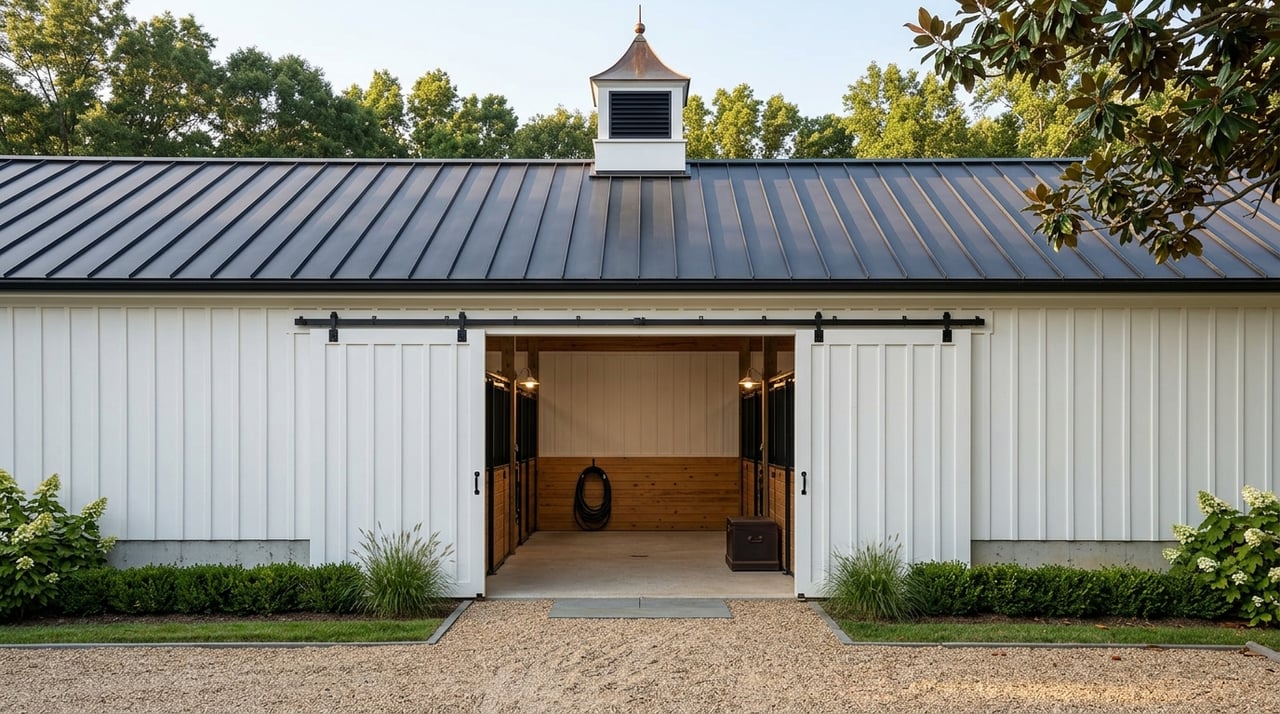
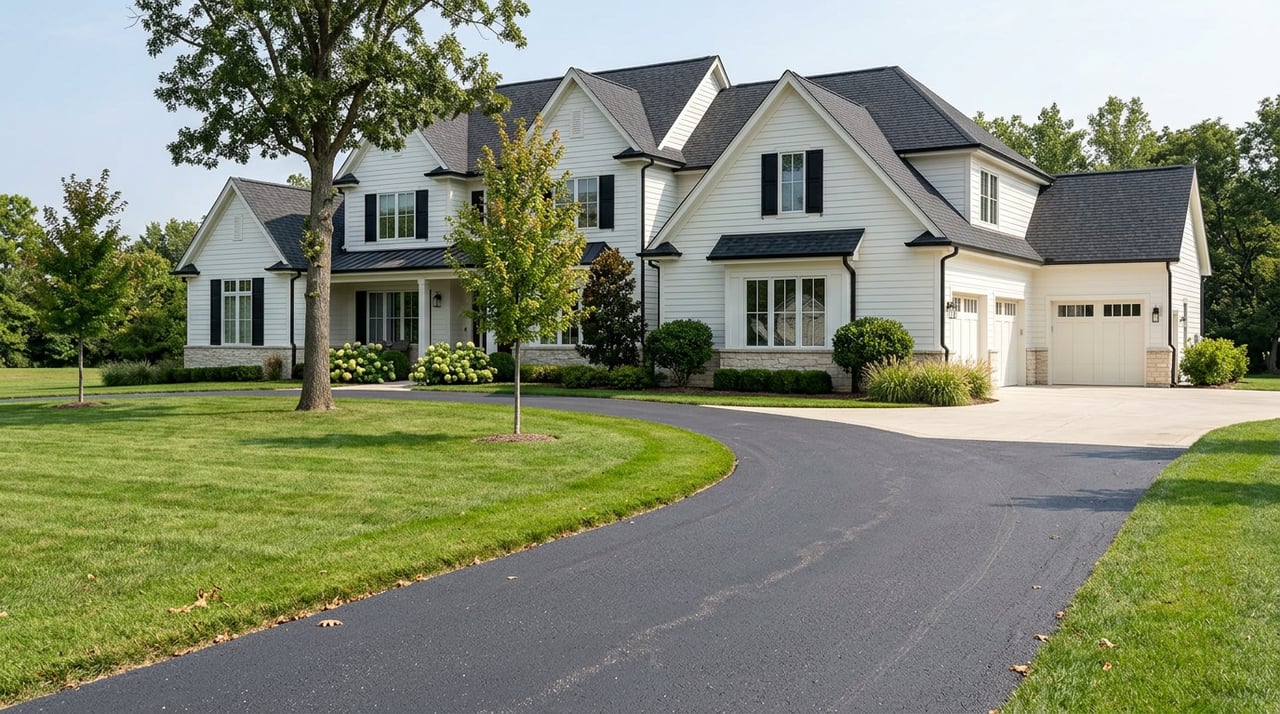
New homes tend to cluster near Crabapple and in small gated or estate‑style communities where developers can deliver larger homesites. You will also find custom estate builds on 1 to 5‑plus acre tracts across the city. If you want room for a pool, garden, or equestrian amenities, you will likely pay a premium for land and for the right location, and you will want to understand the ongoing upkeep that comes with more acreage.
Money, upgrades, and incentives
With new construction, the price you see is usually a base. The final number often includes:
- Base price for the plan
- Lot premium for a specific homesite
- Design center choices and structural upgrades
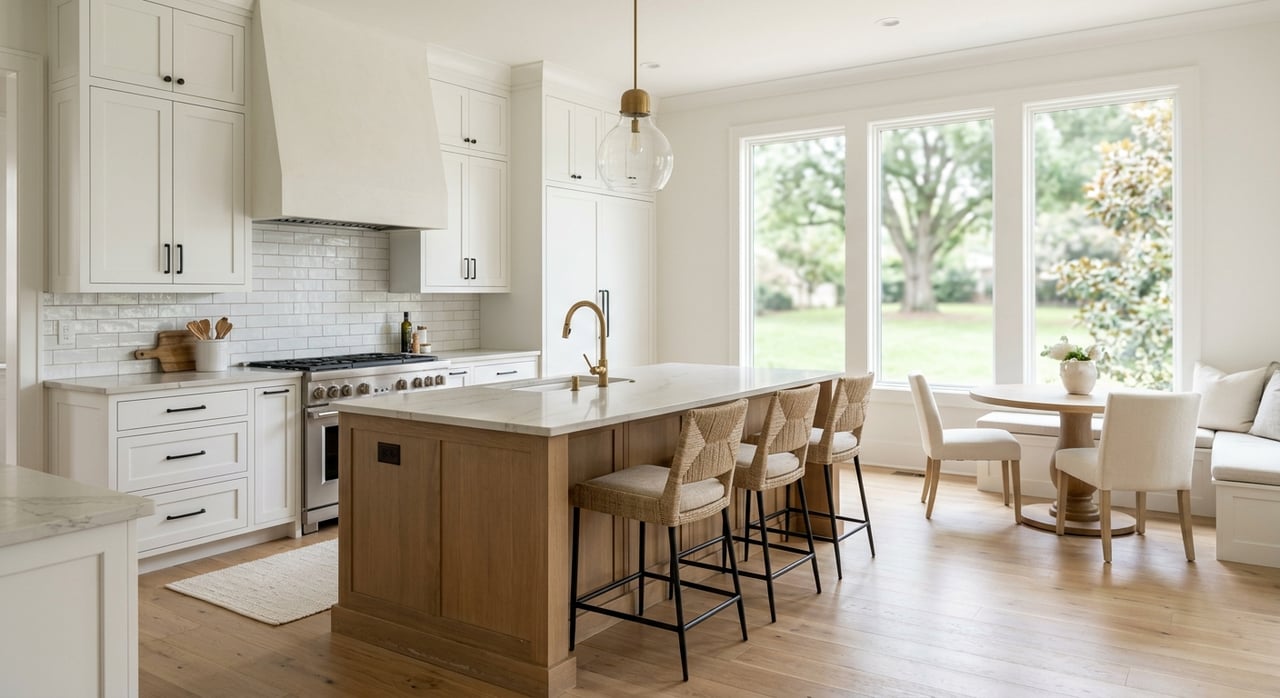
Upgrade packages for kitchens, baths, flooring, outdoor living, and basements can add tens of thousands of dollars. Ask for an itemized list of upgrade pricing and clarify whether you are working from fixed prices or an allowance where overages become your cost (how upgrades and allowances work).
Builders also use incentives besides base‑price cuts. You might see closing‑cost credits, temporary mortgage‑rate buydowns, or design credits. National data in recent years showed builders narrowing the typical new‑home premium by leaning on these tools, though local results vary. In Milton, compare specific apples‑to‑apples comps by subdivision, lot size, and finish level to see which incentive mix lowers your total cost over your expected time in the home (incentive trends context).
Inspections and warranties that protect you
Even with city inspections, you should order independent inspections on a new build. Three checkpoints to consider:
- Pre‑drywall inspection to review framing, plumbing, and electrical routing
- Full final inspection before closing
- An “11‑month” inspection to create a final punch list before the one‑year workmanship warranty expires
Independent inspectors are affordable and often catch issues that municipal reviews do not focus on (inspection timing and cost basics).
Most reputable builders offer a 1‑2‑10 style warranty: one year for workmanship and materials, two years for major systems like HVAC distribution and electrical, and ten years for structural coverage. Coverage terms and exclusions vary, so request the actual warranty document early and confirm who administers it, how to file claims, and what is excluded (1‑2‑10 warranty overview).
Contracts, deposits, and negotiation
Builder contracts are written by builders and usually favor their timelines and processes. It is common and prudent to have your buyer’s agent and, when needed, a Georgia attorney review the agreement before you sign. Know your deposit amount and whether it is refundable under certain conditions, understand the delivery window, and note any arbitration or liquidated‑damages clauses. The Consumer Financial Protection Bureau offers helpful guidance on understanding contracts and representation when you buy a home (contract and representation guidance).
On deposits, many builders require an initial earnest money payment at contract and may request additional design deposits later. While amounts vary by builder and product type, a common range runs from about 1 to 10 percent of the purchase price. Always get refund and assignment language in writing. When negotiating, remember that incentives can be as valuable as price changes. Ask the builder to model a rate buydown versus a closing‑cost credit so you can see which option lowers your monthly payment most over your expected time in the home.
New vs resale at a glance in Milton
When new construction may fit best
- You want modern floor plans, energy‑efficient systems, and the ability to choose finishes.
- You prefer builder warranties and a fresh start with minimal near‑term maintenance.
- Your move timeline is flexible and you can plan for temporary housing if needed.
When resale may fit best
- You need to move within 30 to 60 days and want established landscaping and immediate yard scale.
- You value larger lots in legacy neighborhoods, sometimes with more mature tree cover.
- You are open to updating kitchens, baths, or systems over time instead of paying for all‑new today.
How The Chatham Co. helps you decide
You deserve clear guidance from a team that has helped families buy, build, and sell in Milton for generations. With roots here since 1948 and deep builder relationships, we help you:
- Compare real‑time comps by subdivision, lot size, and finish level to set realistic budgets.
- Vet builders and communities, review contracts, and plan inspection milestones.
- Model incentives and upgrade choices to protect your monthly payment and total cost.
- Sequence your move, including selling your current home with concierge prep and staging, then timing your next purchase.
Ready to talk through your plan? Schedule a Personal Consultation with The Chatham Co. for clear next steps tailored to your timeline and goals.
FAQs
What is the main timing difference between new construction and resale in Milton?
- Resale often closes in 30 to 45 days if financing and title work stay on track, while new construction commonly takes 7 to 12 months or more from groundbreak to completion.
How do Milton’s zoning rules affect lot choices for new builds?
- Many areas use lower‑density zoning with minimum one‑acre lots, so verify parcel‑specific rules, septic versus sewer, and allowed uses with the city before you commit.
Which inspections should I order on a new build in Milton?
- Get a pre‑drywall inspection, a full final inspection before closing, and an 11‑month inspection to capture warranty items before the one‑year workmanship period ends.
What does a 1‑2‑10 builder warranty usually cover?
- Typically one year covers workmanship and materials, two years covers major systems like electrical and HVAC distribution, and ten years covers major structural defects, subject to exclusions.
Are builder deposits in Georgia refundable?
- It depends on the contract, so confirm refund terms in writing before you sign; deposits often range from about 1 to 10 percent of the purchase price and can be tied to milestones.
Can builder incentives beat a lower sale price in Milton?
- Sometimes yes; a rate buydown, closing‑cost credit, or design credit can reduce your monthly cost or total cash at close more effectively than a small base‑price cut, so compare scenarios side by side.