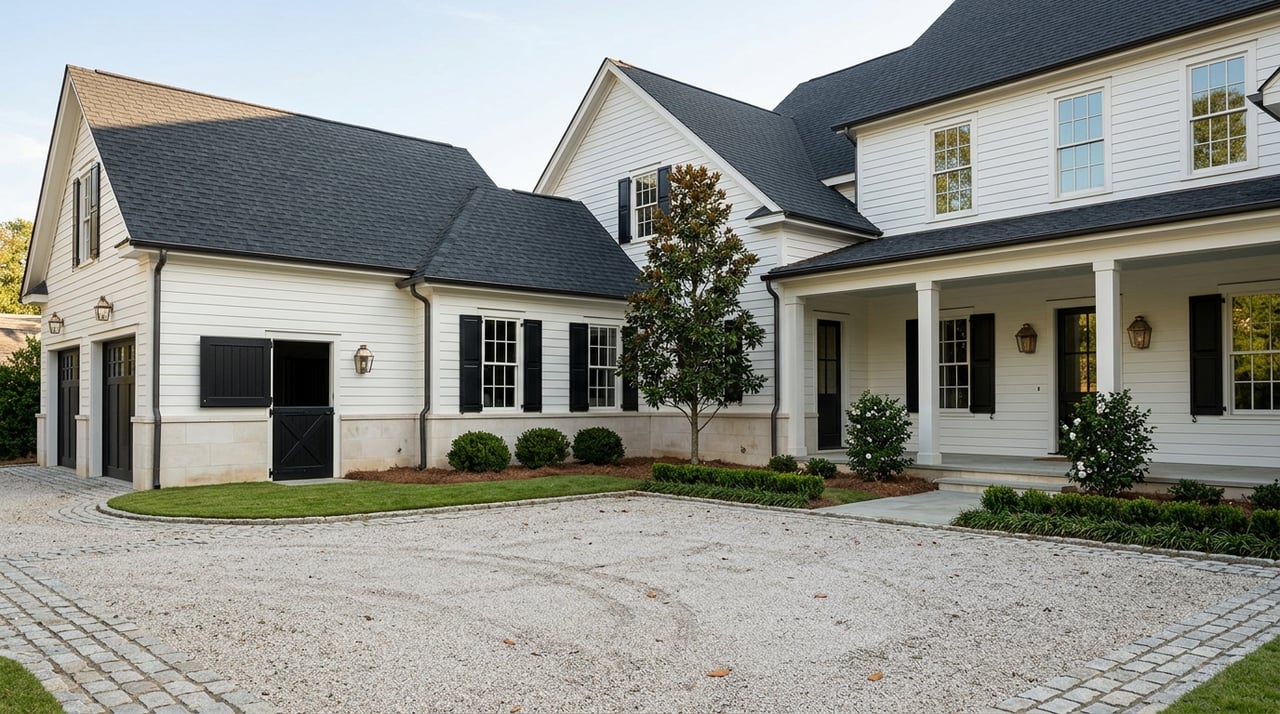
Buying in Milton comes with big decisions, and earnest money is one you want to get right. You are putting real dollars on the line to show a seller you mean business. At the same time, you want clear protections so your money comes back to you if the deal cannot move forward for a valid reason. In this guide, you will learn what earnest money is in Georgia, how much Milton buyers typically offer, when deposits are refundable, and how to write a strong offer without taking on unnecessary risk. Let’s dive in.
Earnest money basics in Georgia
Earnest money is a good faith deposit that accompanies your written offer. It signals commitment so a seller feels comfortable taking the property off the market. It is separate from your down payment and closing costs, and it is usually applied to your funds at closing if you proceed.
The funds are held in an escrow or trust account. In Georgia, the holder is usually the listing broker, a title or closing company, or an attorney. Your purchase agreement should state exactly who will hold the funds, where they will be deposited, and the rules for release.
Georgia transactions commonly use Georgia Association of REALTORS purchase agreements. These forms set the deposit amount, escrow instructions, deadlines, and what happens to the money if the contract closes or terminates. The contract controls timelines, procedures, and remedies. Confirm who holds your funds and all deadlines before signing.
When you deliver the deposit
Local practice is to deliver earnest money shortly after both parties sign the contract. The purchase agreement sets this deadline. Make sure you know the delivery method, where to send funds, and what proof of receipt you will receive. Keep that receipt with your closing file.
How much is typical in Milton
Milton is an in-demand North Fulton market with larger single-family homes, estate lots, and equestrian properties. Deposit sizes vary with price point and competition. Many buyers use a flat amount at lower prices and a percentage at higher prices. In competitive conditions, larger deposits are common.
Here are illustrative ranges that align with common practice:
Entry or mid-level single-family at about $500,000
- Typical range: $2,500 to $7,500, roughly 0.5% to 1.5% of price.
- Strong tactic: $7,500 with a short inspection period and a solid pre-approval.
Move-up single-family at about $900,000
- Typical range: $5,000 to $18,000, about 0.5% to 2%.
- Strong tactic: about 1% with an appraisal-gap provision and a 7 to 10 day inspection.
Estate lot or high-end property at about $1,500,000
- Typical range: $15,000 to $45,000, about 1% to 3% depending on competition.
- Strong tactic: 2% to 3% with clear escrow instructions and full pre-approval or proof of funds.
These are examples, not rules. Sellers and listing agents set expectations based on current inventory and competing offers in each Milton neighborhood. Your agent will calibrate your deposit size to today’s conditions.
What drives the amount
- Price point and property type
- Number of competing offers and days on market
- Your overall offer strength, including inspection timing and appraisal protections
- Your comfort with risk if deadlines are missed
A larger deposit can help your offer stand out. Make sure your contract contains clear protections so funds are refundable if you terminate within a valid contingency.
When your deposit is refundable
Earnest money is generally refundable when you terminate properly under a contingency that allows refund and you follow the contract’s notice procedures by the deadline. Common buyer protections include:
- Inspection or due-diligence contingency. You may inspect the home and cancel within the inspection period under the contract.
- Financing contingency. If you do not obtain loan approval in time and you provide required notices, the deposit is typically refundable.
- Appraisal contingency. If the appraised value is below the price and you cannot or will not cover the difference, you may be able to terminate and recover funds under the appraisal terms.
- Title contingency. Unresolved title defects that cannot be cured may allow you to cancel and receive a refund.
- HOA and document review contingency. You may review covenants and financials and cancel within the review period.
- Survey contingency. Boundary or encroachment issues that cannot be resolved may be a valid basis to terminate.
- Sale-of-buyer-home contingency. If included and properly handled, you may cancel if your home does not sell within the stated terms.
Each protection depends on strict deadlines and notice requirements. Missing a deadline can remove your refund rights.
When you could forfeit the deposit
You risk losing earnest money if you cancel after contingency periods expire, if you breach the agreement, or if you fail to deliver required notices in the way and within the timeframe the contract requires. Some contracts include a liquidated damages clause that gives the seller the deposit if the buyer defaults. Others allow the seller to pursue different remedies. Your written contract controls the outcome.
Build a strong Milton offer and protect your funds
You can compete in Milton without taking on unnecessary risk. Use these steps to balance strength with protection.
Before you write the offer
- Get full lender pre-approval, not just pre-qualification. Include the letter with your offer.
- Decide on a deposit amount you can live with if a deadline is missed. Do not risk more than you can afford to lose.
- Choose a neutral, well-established title or closing company or an attorney to hold funds if that fits local custom. Confirm contact details in the contract.
Draft clear, achievable terms
- Specify the escrow holder, deposit deadline, and delivery method in writing.
- Set realistic contingency deadlines you can meet. Shorter inspection periods strengthen offers but give you less time to uncover issues.
- Require prompt delivery of HOA documents, title work, and disclosures to keep your timeline on track.
- If you are willing to cover some appraisal shortfall, define the limit in an appraisal-gap clause. That can make your offer competitive while preserving protection if the gap is larger than you can fund.
Plan your inspection period
A common competitive tactic is a 7 to 10 day inspection window. Coordinate inspectors early so you can complete inspections, review results, and deliver notices on time. For estate lots or older homes, consider enhanced due diligence such as a survey review, septic or well evaluations if applicable, or a deeper look at county records before you commit to very short timeframes.
Use earnest money as smart leverage
A larger deposit signals seriousness and may help win a multiple-offer situation. Pair a larger deposit with firm contingency language and disciplined timelines. Keep proof of payment and all notices. Ask your agent to calendar every deadline and set reminders.
Consider non-price terms
If you want to avoid increasing deposit risk, improve other terms the seller values. Examples include a flexible closing date, a short temporary occupancy for the seller if needed, or quick response times on document requests. Small concessions can make your offer attractive without adding exposure to your earnest funds.
Practical escrow safeguards
- Confirm the escrow holder’s identity and trust account status in the contract.
- Obtain and keep the deposit receipt.
- Deliver all notices exactly as the contract requires. Email, certified mail, or specific forms may be required.
- If you are concerned about neutrality, place funds with a third-party escrow or title company rather than a brokerage trust account if acceptable in the transaction.
Milton scenarios at a glance
Use these examples to frame your strategy with your agent.
$500,000 single-family home
- Competitive play: $7,500 earnest money, 7 to 10 day inspection, pre-approval included.
- Protection focus: clear inspection and appraisal timelines, fast HOA document delivery.
$900,000 move-up home
- Competitive play: about 1% earnest money, appraisal-gap limit clearly stated, pre-approval.
- Protection focus: title review and survey if there are boundary questions, achievable financing contingency.
$1,500,000 estate lot or high-end property
- Competitive play: 2% to 3% earnest money, proof of funds or portfolio lender letter, defined appraisal-gap limit if financing.
- Protection focus: survey and title review, HOA and architectural guidelines review for buildability, inspection specialists as needed.
If a release is disputed
Disagreements sometimes occur when a deal falls apart. The escrow holder generally will not release funds without a written mutual release or a final determination under the procedures in your contract. Many Georgia contracts include steps for dispute resolution and instructions for earnest money release. Keep inspection reports, lender letters, and termination notices organized so you can support your position.
Your next step in Milton
With the right plan, earnest money becomes a powerful tool rather than a point of stress. A thoughtful amount, clear escrow instructions, and disciplined timelines let you compete confidently for the Milton home or estate lot you want. If you are weighing how much to put down or how to structure contingencies, we can help you tailor a strategy to the specific property and neighborhood.
Ready to map out your offer strategy for Milton and North Fulton? Reach out to The Chatham Co. to Schedule a Personal Consultation. Our third-generation team brings local memory, builder insight, and careful contract execution to every purchase.
FAQs
How earnest money works in Georgia
- Earnest money is a good faith deposit held in escrow and typically applied to your funds at closing, with handling and deadlines controlled by the written contract.
Typical Milton deposit amounts
- Many buyers offer $2,500 to $15,000 for typical single-family purchases, with higher-priced homes often using 1% to 3% of the price depending on competition.
Refunds after an inspection issue
- If your contract includes an inspection contingency and you terminate properly within the deadline, the deposit is usually refundable under the agreement terms.
Financing falls through and refunds
- With a valid financing contingency and timely notices, your deposit is typically refundable. Without that protection or if you miss a deadline, the seller may claim the funds.
Who should hold the deposit
- Neutral title or closing companies are commonly used, and brokerage trust accounts are also typical in Georgia. Confirm the holder and instructions in your contract.
Protecting your deposit in a bidding war
- Pair a reasonable deposit with strong pre-approval, shorter but realistic inspection timelines, and a defined appraisal-gap limit instead of waiving appraisal entirely.