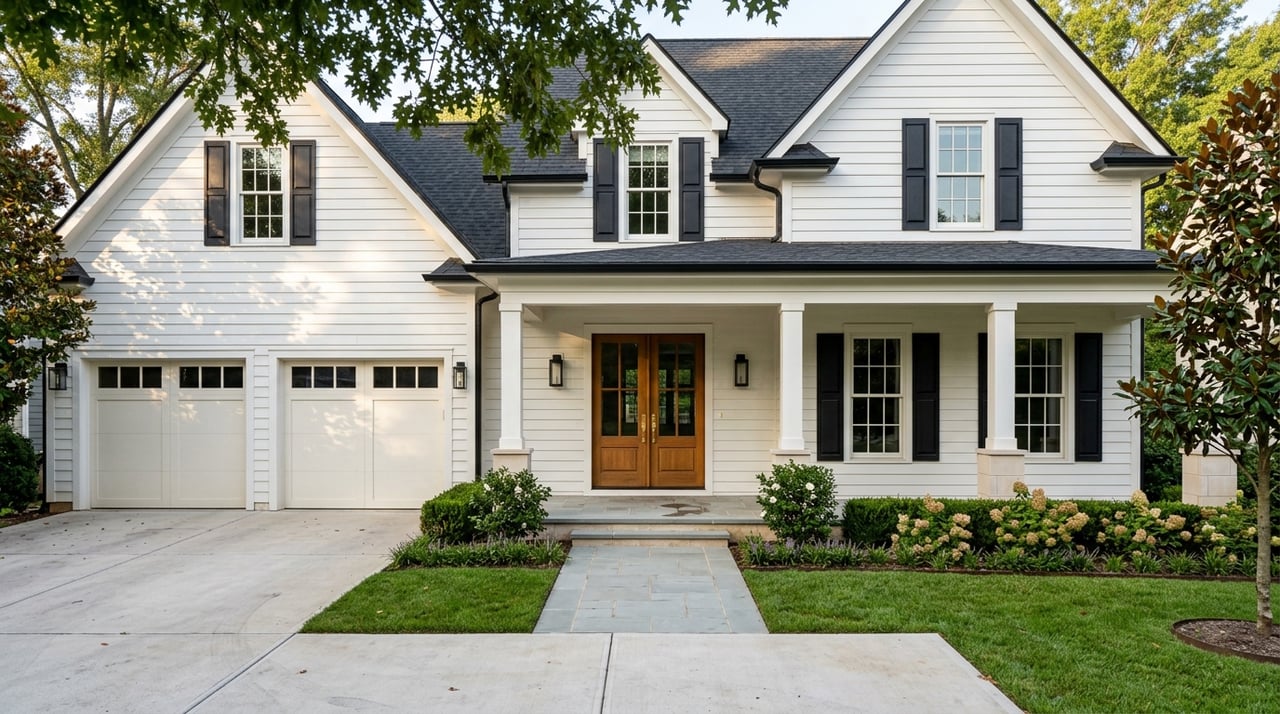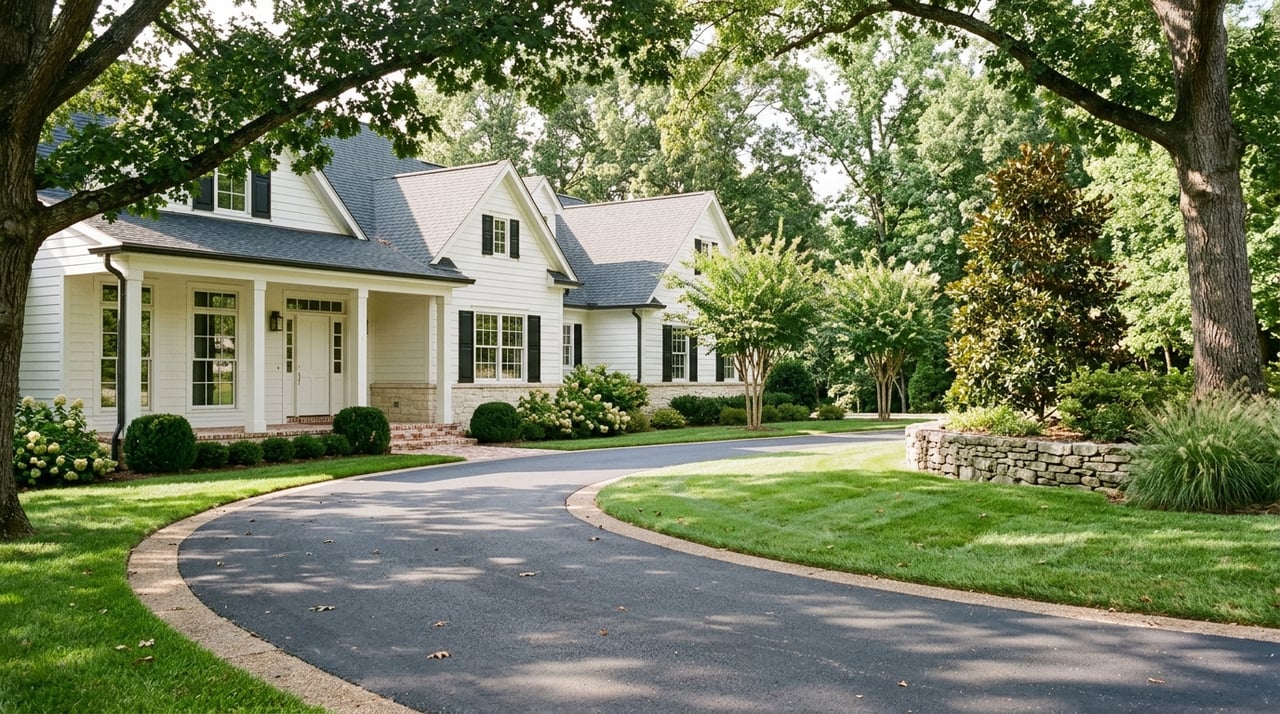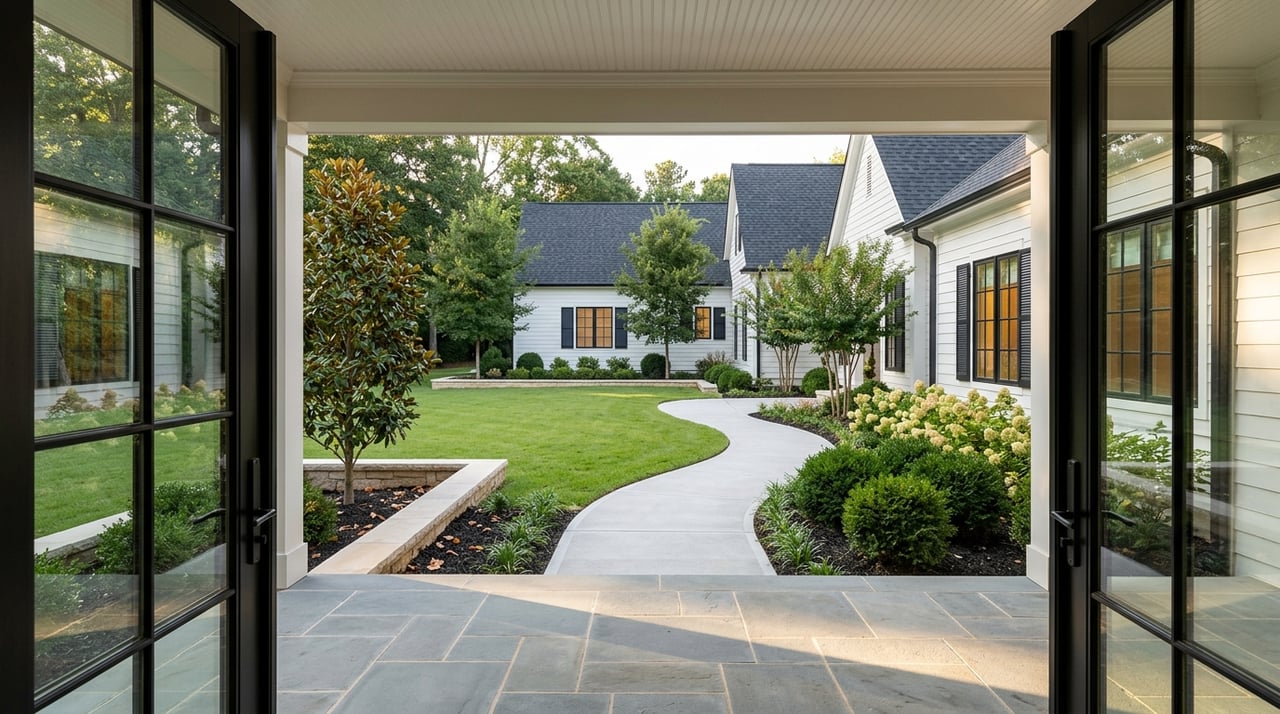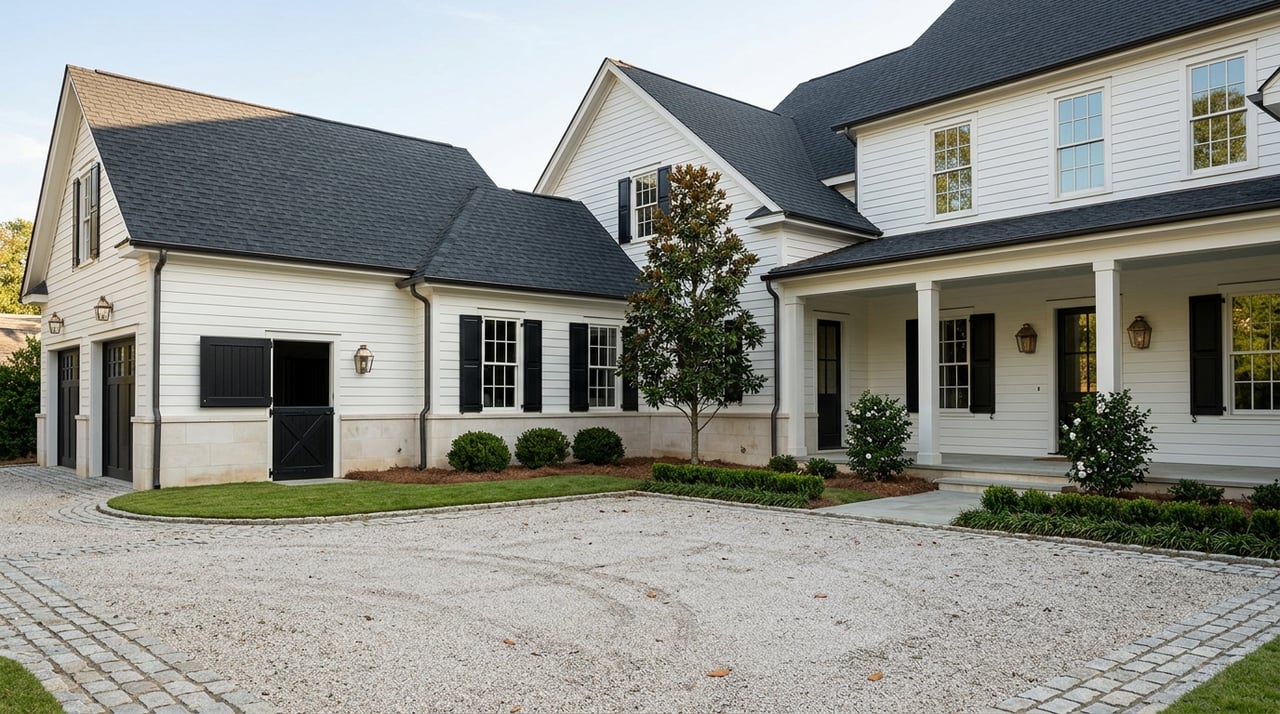
If you picture Milton’s equestrian lifestyle as something hidden behind gates and far from daily life, the reality may surprise you. In Milton, horse farms, trails, large lots, and barn routines are part of the city’s everyday rhythm, not a separate world off to the side. If you are wondering what it actually feels like to live here day to day, this guide will help you picture the pace, setting, and practical details. Let’s dive in.
Equestrian Life Is Part of Milton
In Milton, the horse lifestyle is not tucked into one isolated pocket. The city reports more than 200 active horse farms, and those farms are spread throughout the community rather than grouped into a single district.
That matters because it shapes the feel of everyday life. You are not just driving past an occasional pasture. You are living in a city where horse farms are woven into the local identity and where equestrian culture shows up in civic planning, public education, and community events.
Milton also has a formal Equestrian Committee, which exists to help the city consider issues that matter to local horse owners and riders. The city’s support goes beyond symbolism too, with large-animal emergency response and public resources such as barn safety evaluations for Milton barn and stable owners.
Daily Life Starts With Land
One of the biggest differences in Milton is that the housing conversation often starts with acreage, not just house size. The city’s large-lot policy identifies properties of 3 acres or more as large lots and aims to preserve those parcels rather than see them subdivided.
That approach helps protect the rural setting people often associate with Milton. It also means buyers who want an equestrian property are often thinking about turnout space, fencing, access, barn placement, and how the land functions over time.
In practical terms, that can change what “fits” your lifestyle. A beautiful house matters, of course, but in Milton the right property may also depend on driveway access, usable pasture, room for outbuildings, and how comfortably the lot supports day-to-day horse care.
What the Setting Looks Like
Milton has also updated fence rules to better fit the city’s equestrian and rural character. That may sound like a small detail, but it shapes the visual experience of living here.
Paddocks, wood fencing, long driveways, and deeper setbacks all help create the horse-country feel many buyers are looking for. In Milton, those details are not background scenery. They are part of the lifestyle itself.
Barn Routines Feel Normal Here
In some places, keeping horses can feel like managing a lifestyle on your own. In Milton, the setup feels more established because the city openly recognizes horse ownership as part of the community’s day-to-day fabric.
That shows up in practical ways. The city has highlighted horse-related safety topics, supports large-animal emergency response through its Technical Large Animal Emergency Rescue unit, and offers barn safety evaluations for local barn and stable owners.
For you, that can make the lifestyle feel more workable. It means horse ownership is not treated as unusual or out of place. It is part of how Milton thinks about safety, land use, and community identity.
Full-Service Options Are Part of the Picture
Not every equestrian buyer wants to keep horses at home right away. Milton’s existing facilities suggest a range of ways to participate in the lifestyle while keeping your routine manageable.
Local facilities advertise features such as full stall board, training, turnout fields, outdoor and covered arenas, hack areas, trails, and trailer-friendly space. Taken together, these details suggest that daily equestrian life in Milton often revolves around regular turnout, reliable riding access, and enough infrastructure to make horse care feel structured rather than improvised.
Trails Keep the Lifestyle Active
Milton’s equestrian lifestyle is not limited to private barns. The city has spent years planning and expanding its trail framework, with a trail plan adopted in 2007, a trails blueprint update in 2017, and a community trail prioritization plan adopted in 2020.
That long-term planning matters because it supports a lifestyle that feels outdoorsy and connected. Riding, walking, and spending time outside are not occasional extras here. They are part of the weekly rhythm for many residents.
Birmingham Park is one of the clearest examples. The city says the park includes nine multi-use natural-surface trails that are used by equestrians and hikers, giving you a real sense of how shared outdoor recreation works in Milton.
Greenspace Adds Flexibility
Freemanville-Birmingham greenspace offers a different but equally useful picture of daily life. The city describes it as 21 acres of pasture-like terrain with Milton-style fencing and parking that allows horse trailers to turn around.
That tells you a lot about the city’s approach. Public outdoor space is being shaped in ways that make equestrian use practical, not just theoretical.
Milton’s broader parks system also adds to the feeling of calm. Providence Park includes an accessible trail, pier, and pavilion, while Milton City Park and Preserve combines active recreation with a passive preserve that includes woods, lakes, and creek frontage.
Together, these spaces help explain why Milton can feel peaceful and nature-forward while still being part of the Atlanta metro area. Your day might include barn chores, a trail ride, a walk by the water, or quiet time outdoors without needing to feel removed from everything else.
Crabapple Keeps Convenience Close
One reason Milton’s equestrian lifestyle feels livable is that it does not require you to choose between acreage and convenience. Crabapple, often described by the city as the heart of Milton, brings together daily errands, dining, civic life, and community events in one central area.
Crabapple is home to City Hall, the Milton Library, many of the city’s schools, and well-known annual events. The city says Crabapple Fest draws more than 30,000 attendees each year, which shows just how active and social this part of Milton can be.
That creates a two-part routine many buyers find appealing. You can enjoy space, trails, and a farm-like setting at home, then head into Crabapple for meals, errands, or events without the lifestyle feeling disconnected.
Small-Town Energy, Metro Access
Mayfield Park adds to that convenience. The city says it sits in downtown Crabapple within walking distance of restaurants, shops, offices, and schools, which reinforces how close everyday needs can feel.
Milton’s horse-country atmosphere does not automatically mean remote living. Instead, the city offers a blend of open land and a compact town center that helps keep daily life practical for households balancing work, family schedules, and outdoor interests.
This is one of the biggest reasons the lifestyle resonates with so many buyers. You can get the visual calm and breathing room that come with larger lots while still staying connected to a strong local center.
Community Events Make It Social
Milton’s equestrian identity also shows up in public life, not just on private property. City events and programming help make horse culture visible, approachable, and part of the wider community experience.
For example, the city’s 2026 Meet the Neighbors event included pony rides, tack vendors, food, and demonstrations from Milton Fire’s Technical Large Animal Emergency Rescue unit. Annual events such as Crabapple Fest, Carvin’ in Crabapple, Red, White, and YOU, Milton Restaurant Week, and Christmas in Crabapple add to that steady social calendar.
That mix gives the lifestyle more texture. It feels less like isolation on acreage and more like a connected community where outdoor living, local traditions, and equestrian culture naturally overlap.
What It Really Feels Like Day to Day
So what does Milton’s equestrian lifestyle actually feel like when you strip away the marketing language? It feels like a place where land matters, horse farms are normal, trails are part of local life, and convenience is still within reach.
It also feels structured in ways that many buyers appreciate. The city’s policies, public spaces, safety resources, and event calendar all support the idea that equestrian living here is not an afterthought. It is part of Milton’s long-term identity.
For some households, that means keeping horses on property. For others, it may mean living near barns, boarding nearby, enjoying the trail network, and simply valuing the open, rural character that horses help preserve.
Either way, the day-to-day experience is less about living off the grid and more about living in a community where open space, barn life, and town-center convenience work together.
If you are exploring Milton because you want that blend of acreage, lifestyle, and everyday practicality, working with a local team that understands the nuance can make all the difference. To learn more about Milton properties, estate lots, and the rhythm of this market, connect with The Chatham Co..
FAQs
How common are horse properties in Milton?
- Milton reports more than 200 active horse farms, and the city says they are dispersed throughout the community rather than concentrated in one isolated area.
How much land feels equestrian in Milton?
- Milton’s large-lot policy uses 3 acres as the threshold for a large lot, which is a useful benchmark when you are evaluating whether a property may support an equestrian feel.
Where can you ride or spend time outdoors in Milton?
- Official city examples include Birmingham Park, which has nine multi-use natural-surface trails, and Freemanville-Birmingham greenspace, which includes pasture-like terrain and trailer-friendly parking.
Does Milton’s equestrian lifestyle feel remote?
- Not really. Milton combines large lots and rural character with convenient access to Crabapple, downtown amenities, parks, dining, and community events.
How does Milton support horse owners day to day?
- The city supports equestrian life through its Equestrian Committee, barn safety evaluations, Technical Large Animal Emergency Rescue resources, and horse-centered community programming.
Can you enjoy Milton’s equestrian lifestyle without keeping horses at home?
- Yes. Local facilities advertise boarding, training, turnout, and arena access, which suggests you can enjoy the lifestyle through nearby equestrian services as well as through trails and greenspace.