Considering a custom home in Milton but not sure what an “estate lot” really offers you? You want privacy, room to spread out and maybe space for horses, yet you also need clarity on zoning, utilities and what it takes to build. In this guide, you’ll learn how estate lots work in Milton, the tradeoffs that shape value and the practical steps to move forward with confidence. Let’s dive in.
Estate lot basics in Milton
In Milton, “estate lot” is a market term, not a single zoning category. It typically means a parcel large enough for a custom residence with meaningful outdoor space and optional outbuildings. You’ll see three common size bands: mini‑estates around 1 to 3 acres, core estate parcels in the 3 to 10 acre range and equestrian or farm‑style properties with 10 or more acres.
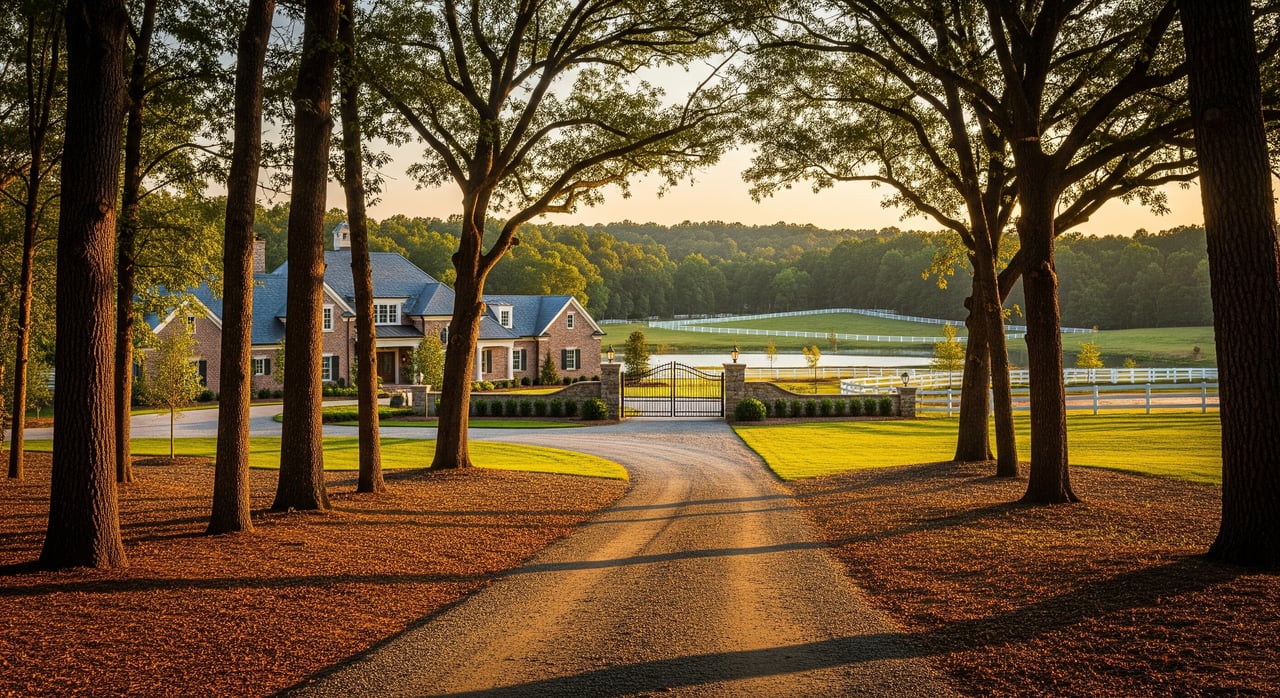
Most estate lots feature mature hardwoods, rolling topography and long driveways that create privacy. Some include creek or stream frontage. Many are suitable for equestrian improvements like pastures and barns. The overall feel is rural and low density, with larger setbacks from public roads.
Zoning and equestrian rules
Allowed uses, setbacks and lot standards are governed by the City of Milton and Fulton County. Specific communities may also have covenants or HOA rules that add design reviews or building limits. Equestrian use is common in Milton, but details vary by zoning district and by any private covenants recorded on the property.
Many buyers pursue barns, paddocks and small riding arenas. Typical restrictions to confirm include minimum acreage or lot width, setbacks for barns and fencing, limits on livestock per acre and manure management requirements. If you plan to ride beyond your property, some areas offer bridle paths and community trails, though access depends on subdivision rules and easements.
Covenants and easements
High‑end communities often have architectural review and guidelines for building footprint, materials and placement. Some properties carry conservation easements or agricultural covenants that limit future subdivision. These controls can preserve a long‑term rural character and can support value by maintaining scarcity.
Utilities and site readiness
Utility setup varies by location in Milton. Some estate lots connect to municipal water, while others rely on private wells. Larger parcels frequently use septic systems unless sewer is available nearby, and septic feasibility depends on soil, slope and setbacks. Electricity and telecom are commonly available along public roads, but long driveways can increase connection costs, and fiber availability varies by provider and neighborhood.
Site feasibility steps
Early technical diligence protects your timeline and budget. Plan to:
- Order a current boundary and topographic survey.
- Complete soil and percolation tests for septic feasibility, plus a geotechnical evaluation for foundation planning.
- Check wetlands and floodplain status, including required stream buffers and any environmental consultations.
- Review tree conservation rules and permits for removal where applicable.
- Verify driveway access permits and sight‑distance requirements for city or county roads.
Engage a land surveyor, civil or site engineer, geotechnical engineer, septic designer, a licensed builder experienced in Milton and an attorney to review easements and covenants.
Prep and timeline factors
Typical site work can include clearing and grading, erosion control, driveway construction, trenching for utilities, septic installation or sewer connection, and well drilling if needed. You may also need retaining walls and stormwater management. Expect permits for building, septic, wells, tree removal where required and erosion and sediment control. Testing, permits and utility coordination can add weeks to months before construction starts, and wet seasons can slow grading and septic work.
Pricing drivers and lifestyle
Several factors drive premiums for estate lots in Milton:
- Acreage and usable acres. Flatter, dry, buildable land commands higher prices.
- Location and access. Proximity to commuting routes, schools and amenities matters while still keeping a rural feel.
- Equestrian capability. Existing or potential facilities for horses add value for equestrian buyers.
- Privacy and setting. Tree canopy, views and water features elevate appeal.
- Utility status. Lots with municipal water or sewer, or short utility runs, are faster and often more valuable.
- Covenants that limit subdivision. Restrictions that preserve low density can increase scarcity value.
- Market conditions. Interest rates, inventory of estate lots and luxury buyer demand influence pricing.
Lifestyle benefits are real: room for a pool, guest house, hobby spaces, car storage, sport courts or equestrian uses. With more land comes more maintenance. Plan for landscaping, pasture care, fencing upkeep and driveway management as part of your annual budget.
Long‑term value and risks
Large‑acreage properties near Atlanta are scarce, which can support long‑term value, especially where local policies favor rural preservation. At the same time, there are risks to consider. Utility changes, such as future sewer extensions or annexation, can affect both value and area density. Environmental constraints like wetlands or floodplain reduce buildable area and can limit the future buyer pool. Carrying costs on larger parcels are typically higher, and luxury segments can be sensitive to broader economic cycles.
Signals of lasting desirability include planning policies that maintain low density, protected green corridors, active equestrian communities and healthy comparable sales for similar acreage in Milton and nearby North Fulton towns.
Smart due diligence checklist
Use this list to move forward with clarity:
- Confirm zoning, permitted uses and minimum lot size with the City of Milton and Fulton County as applicable.
- Obtain a current boundary and topographic survey.
- Conduct soil and percolation tests and a geotechnical report for septic and foundation feasibility.
- Determine water service: municipal hookup or well requirements and permitting.
- Review septic and well permitting rules with the appropriate state or county authorities.
- Perform wetlands and floodplain delineation and confirm stream and wetland setback buffers.
- Review all CC&Rs, HOA rules and any conservation or agricultural easements recorded on title.
- Confirm routes and costs for electric, telecom and gas connections, especially for long driveways.
- Request recent comparable sales for similar acreage and amenities to set realistic expectations.
- Engage local experts: an agent familiar with Milton estate lots, an experienced custom builder, a land surveyor, a civil engineer and an attorney for title and easement review.
Is an estate lot right for you?
If you value privacy, room to create a compound and the option for equestrian use, Milton’s estate lots offer a compelling path. A land‑first strategy can deliver a custom home tailored to how you live. Success comes from early technical diligence, clear budget planning and the right team guiding each step. With the right parcel and plan, you can secure both an exceptional lifestyle and long‑term value.
Your next step
You do not have to navigate this alone. With deep local roots and builder relationships across Milton and North Fulton, we help you source the right parcel, evaluate feasibility and align the best team for your build. For a thoughtful, private consultation, connect with The Chatham Co.. Schedule a Personal Consultation.
FAQs
What does “estate lot” mean in Milton’s luxury market?
- It is a market term for parcels that support a custom home with significant outdoor space and optional outbuildings, commonly 1 to 10+ acres depending on lifestyle and equestrian goals.
How much land do I need for horses in Milton?
- Requirements vary by zoning and any private covenants, so confirm minimum acreage, livestock limits and setback rules for each property before you buy.
Can I build a barn, arena or run a boarding operation?
- Private barns and small arenas are often allowed with setbacks, but commercial boarding may require permits or may be restricted by zoning or covenants.
Will my estate lot have city water and sewer?
- Some areas have municipal water and sewer, but many estate lots use wells and septic; verify availability early since septic feasibility can shape your buildable area.
What pre‑construction steps and timelines should I expect?
- Plan for surveys, soil and geotechnical testing, environmental checks, utility coordination and permits, which can add weeks to months before construction begins.
Do covenants or easements limit future subdivision or outbuildings?
- Many luxury parcels have CC&Rs or conservation easements that restrict subdivision and set design standards, which you should review with your attorney.
How do maintenance responsibilities change on larger acreage?
- Expect ongoing landscape and pasture care, fencing and driveway upkeep, and higher carrying costs than a typical suburban lot.
How much do driveways, utility runs and septic add to cost?
- These items vary widely by site; request estimates from local contractors after your surveys and feasibility tests to set an accurate budget.